
End user
Can this improve the work without creating a heavier workflow?The change should reduce friction rather than move it to the user.

Choose for the buying group, the evidence, and the commercial handoffs that must hold together before and after the first sales conversation
The short answer
The Hidden Gems helps B2B teams define the partner responsibility before choosing the partner, then turns the offer, go-to-market (GTM) model, ideal customer profile (ICP), buying group, sales cycle, evidence, internal owners, and immediate commercial problem into a highly vetted specialist or integrated recommendation from our closed network. The fit depends on the decision the work must improve, not a generic B2B label.
The Hidden Gems network brings experience across enterprise technology, professional services, expert content, digital products, and live environments.






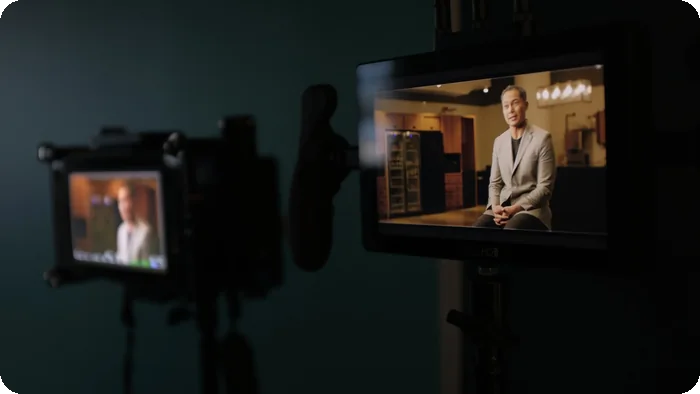
Interview, narrative, production, edit, and approvals turn specialist knowledge into evidence buyers can use.
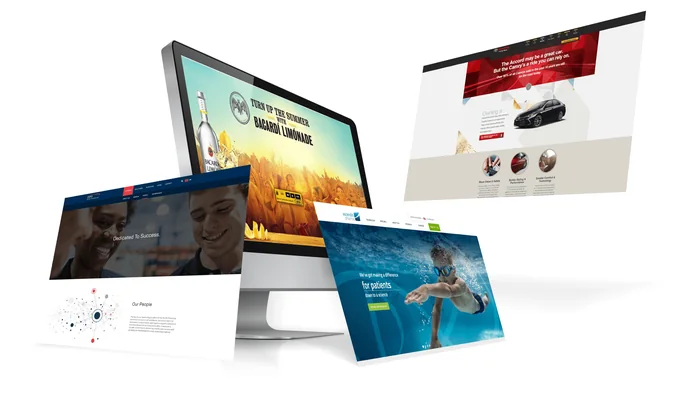
Product story, UX, build, analytics, and the next conversation need one decision path.

Environment, screens, interaction, production, and follow-up make a complex offer tangible.
A broad B2B marketing brief can hide several different jobs. Name the immediate constraint, the responsibility it creates, the evidence that matters, and the handoff that must hold.
The service list is not the decision. Clarify what the lead partner must own, where specialist depth matters, and which adjacent capabilities need a deliberate handoff.
Category, positioning, narrative, identity, portfolio architecture, and customer promise.
Review how strategy reaches campaigns, product, content, and sales.ICP, category, value proposition, launches, portfolio, competitive story, buyer readiness, and sales readiness.
Review product and customer access, decision criteria, and how strategy reaches campaigns, the product, and sellers.Editorial systems, thought leadership, customer evidence, product education, and demand support.
Review subject depth, source access, and the path from output to decision.Demand creation, target-account programs, lifecycle and nurture, channel orchestration, and pipeline support.
Review whether ICP, account selection, content, media, CRM and automation, sales follow-up, and measurement operate as one system.Campaign platforms, brand expression, content formats, and creative systems.
Review how the idea survives media, channel, sales, and production reality.Reputation, expertise, executives, category influence, media, and stakeholder trust.
Review the evidence and audiences the program can credibly reach.Audience, planning, buying, channel roles, measurement, and optimization.
Review how media connects to creative, content, sales cycles, and account needs.Information architecture, product story, user experience, conversion paths, and implementation.
Review whether the experience resolves real buyer questions and dependencies.Field marketing, conferences, launches, account experiences, and tangible product stories.
Review the invitation, live experience, evidence capture, and next conversation.Shared leadership across several disciplines when fragmented ownership is the central risk.
Confirm that integration exists in the actual team and decision process.Continuity matters when several teams shape the same purchase. Each owner should know what it receives, what it changes, and what the next owner needs.
The market can recognize the problem, category, and reason to change.
Customer, product, and commercial proof makes the promise credible.
Each channel helps resolve a defined buying-group decision.
The website, event, or content moves independent research forward.
Sales receives the context and proof needed to continue the same case.
The buying group can defend the choice and its next steps.
A strong category claim is only useful when the actual team can learn the business, work across functions, produce relevant evidence, and make ownership clear.
Name the commercial moment, the decision-makers, and the change the work should support.
Confirm access to users, customers, product leaders, sales teams, and subject-matter experts.
Match proof to the questions, risks, and time horizon of the sale.
Meet the people who will lead strategy, create the work, and own delivery.
Keep scarce expertise close to the responsibilities carrying the most risk.
Agree where internal knowledge, approvals, and customer access enter the work.
Set shared definitions, decision windows, and limits before reporting begins.
Secure knowledge, assets, access, and operating continuity before handoff.
The Hidden Gems gives B2B teams an independent recommendation grounded in the assignment, the operating model, and what experienced clients say about the partners they have actually used.
Every agency can present its strongest work. We pay attention to client feedback about how the partner communicates, staffs, adapts, collaborates, and delivers.
Direct knowledge from founders and buyer-side leaders adds context on capabilities, team structure, process, costs, strengths, and the conditions where the partner works best.
The recommendation follows the buying problem, evidence, internal ownership, specialist depth, working model, timing, and commercial constraints.
Recommendations come from a closed, highly vetted network and cannot be bought.
A B2B marketing agency may support go-to-market strategy, positioning, brand, product marketing, content, creative, PR, media, digital, web, events, demand generation, account-based marketing, lifecycle programs, sales enablement, marketing operations, or RevOps. Scope varies widely, so define which buyer decision and responsibilities the assigned team should own.
Start with the buying problem, audience, offer, sales cycle, evidence, internal team, and commercial handoffs. Then compare relevant proof, customer depth, actual team, specialist capabilities, integration model, measurement, ownership, and working chemistry.
Use a specialist when one responsibility requires unusual depth or carries the immediate risk. An integrated agency may help when several disciplines need shared leadership. The right choice depends on internal ownership and handoff complexity, not the size of the capability list.
Criteria should cover buyer and category understanding, problem fit, evidence, actual team, senior access, process, sales and product collaboration, specialist depth, integration, measurement, commercial model, ownership, and transition.
Yes. The Hidden Gems can recommend B2B branding, content, creative, PR, media, web, digital, event, and integrated partners according to the assignment.
The Hidden Gems provides independent judgment and highly vetted B2B partner recommendations. The selected specialist or integrated partner performs the work.
Bring the offer, buying group, sales cycle, and commercial constraint. The Hidden Gems will recommend a partner the whole buying system can use.