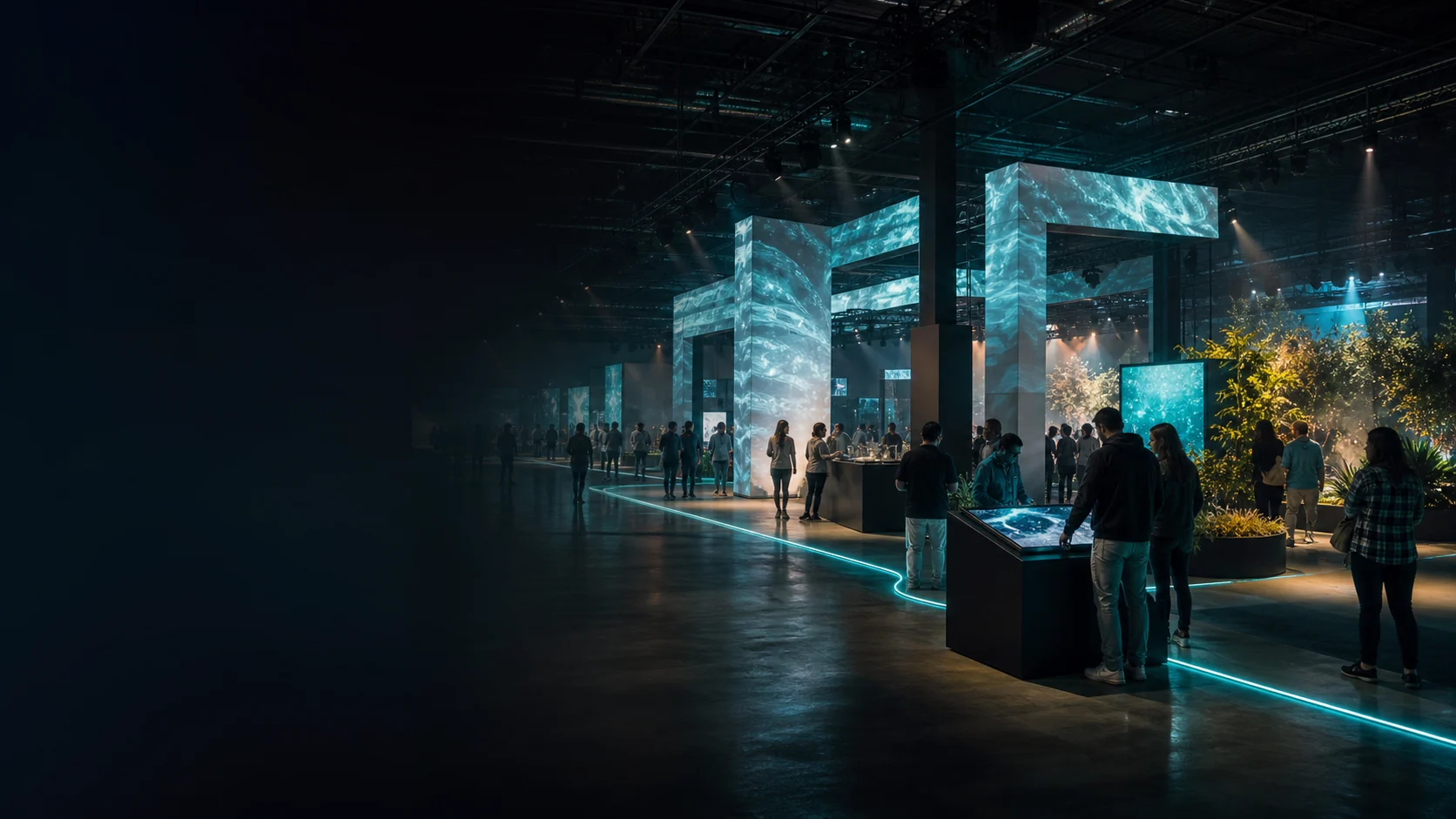
Visitors exploring an interactive physical-digital pavilion with illuminated installations and projection-mapped structures

For agencies

Experiential Partner Discovery

Choose the partner that can carry the idea through audience, environment, build, technology, and the live moment.

01 / AudienceWhat should happen?Define the moment, behavior, and experience before the partner label.
02 / SystemWhat has to connect?Environment, production, build, technology, people, and approvals.
03 / OwnershipWho carries the risk?Make the live decisions, dependencies, and handoffs explicit.
The short answer

The Hidden Gems helps agencies separate three responsibilities that are often collapsed into one label: who shapes the audience idea, who makes it feasible, and who operates it live. We then recommend highly vetted brand-experience, experiential production, fabrication, creative-technology, retail-activation, field-operations, or specialist partners for the responsibility the agency needs covered.

Scope: Live brand experiences, pop-ups, product launches, sponsorship environments, conferences, retail experiences, sampling, interactive installations, touring programs, creative technology, fabrication, and live production.

When AI or product implementation is the primary responsibility, compare Innovation/AI Partner Discovery.

Network experience

A network shaped by high-stakes live work

The Hidden Gems network brings experience earned across ambitious launches, live environments, and high-stakes public moments.

The experiential reality

The live moment is only the surface

What the audience sees may be a stage, screen, installation, pop-up, booth, mobile interaction, sampling moment, or physical environment. Partner selection has to account for the people, processes, and technology behind it.

01Audience action

The feeling, behavior, participation, exchange, or next step the experience should create.

02Environment

The footprint, venue, retail context, access, flow, capacity, and physical conditions.

03Production plan

Producer, schedule, budget, vendors, permits, approvals, logistics, and contingencies.

04Build and technology

Scenic fabrication, audiovisual (AV), LED, projection mapping, augmented reality (AR), interactive systems, installation, integration, and testing.

05Live operation

Field operations, staffing, show flow, safety, escalation, technical support, and live decision rights.

06Return

Live and social content capture, livestreaming, custom or AI photo booths, consent, moderation, privacy, asset rights, measurement, strike, documentation, and learning.

The Experience Operating Map

Choose the partner by the system they need to own

An experiential assignment becomes easier to shortlist when each stage has an output, an owner, a dependency, and a clean handoff.

Stage01

Audience moment

Define the action, feeling, behavior, or exchange the experience should create.

Required output
Experience brief and audience journey.
Likely lead
Experiential strategist, activation agency, brand or lead creative team.
Critical dependency
Audience truth, proposition, participation logic, and accessibility.
Decision question
What audience action must survive changes to scope, format, or feasibility?
Selection rule
The audience action stays intact while feasibility changes the form.
Stage02

Environment and format

Turn the idea into a footprint, spatial journey, venue, retail, field, or hybrid plan.

Required output
Footprint, environment plan, audience flow and site requirements.
Likely lead
Experience designer, spatial team, event producer or activation lead.
Critical dependency
Site conditions, access, capacity, location and venue rules.
Decision question
Can the proposed environment support both the audience journey and the operating plan?
Selection rule
The environment must support both the audience journey and the operating plan.
Stage03

Production and feasibility

Connect creative ambition to a producer, schedule, budget, vendors and contingency plan.

Required output
Production plan, budget model, approvals, logistics and risk register.
Likely lead
Experiential producer or event production company.
Critical dependency
Lead times, local requirements, vendor coordination and decision rights.
Decision question
How will creative ambition be reconciled with time, cost, approvals, and risk?
Selection rule
One production plan connects creative ambition, time, cost, approvals, and risk.
Stage04

Build and technology

Make the physical, technical and digital pieces work together before installation.

Required output
Fabricated environment, scenic plan, audiovisual system, LED or projection requirements, interactive technology and install plan.
Likely lead
Fabrication partner, technical producer or creative technology team.
Critical dependency
Engineering, materials, software, data, augmented reality or spatial technology, testing, storage and quality control.
Decision question
Who accepts integration where physical and digital systems meet?
Selection rule
One technical owner accepts the integration where physical and digital systems meet.
Stage05

Live operation

Prepare the people, show flow, safety and response path for the moment the public arrives.

Required output
Field-operations plan, staffing, run of show, training, permits, safety and escalation path.
Likely lead
Live producer, activation operations team or field-marketing partner.
Critical dependency
Venue and local requirements, communications, weather, technical support, stakeholder access and contingencies.
Decision question
Who can decide and escalate when the live plan changes?
Selection rule
The live team has a named decision-maker and an escalation path.
Stage06

Capture and return

Define what the moment produces and what returns when the audience and build are gone.

Required output
Live or social content, livestream, custom photo-booth or AI photo-booth assets when relevant, data, measurement, strike, rights, documentation and learning.
Likely lead
Lead agency, production lead, specialist capture team or measurement partner.
Critical dependency
Consent, privacy, moderation, asset usage, measurement design, ownership and handback expectations.
Decision question
What must return to the brand or lead agency after the live moment?
Selection rule
The brand or lead agency receives the agreed assets, rights, data, evidence, and operating record.
The ownership test

The best model is not always one full-service partner. It is the model in which every specialist knows what it owns and one accountable lead protects the transitions.

Same category / different lead

Let the assignment decide who should lead

The experiential label begins the search. The assignment determines the partner model and the evidence worth reviewing.

01

Brand world, launch or public idea

Likely lead

Brand-experience, experiential-marketing, or activation agency, supported by production, fabrication, technology, and content.

Best evidence

A strong case connects the audience idea to the operating model that made it possible.

02

Conference, live event or hybrid program

Likely lead

Event production company or experienced live-production lead, supported by staging, audiovisual, broadcast, and live content capture.

Best evidence

The producer shows control of the room, technical system, schedule, and contingencies.

03

Retail activation, field program or sampling

Likely lead

Retail-activation, shopper, sampling, or field-marketing partner, supported by staffing, training, logistics, and reporting.

Best evidence

Comparable programs demonstrate consistent behavior across people, places, and dates.

04

Installation, pop-up or build-heavy environment

Likely lead

Scenic-fabrication, spatial-design, or experiential-production partner, supported by engineering, audiovisual, installation, and storage.

Best evidence

Build records expose material choices, tolerances, safety, site conditions, and handback.

05

Interactive or physical-digital experience

Likely lead

Creative-technology or interactive-production partner, supported by UX, software, hardware, data, and live technical support.

Best evidence

The system has worked reliably for real audiences under comparable operating conditions.

06

Agency-led idea needing execution depth

Likely lead

Production, fabrication, field, retail, technology, or another specialist matched to the capability gap.

Best evidence

The specialist strengthens delivery while preserving the agency role and client ownership.

The visible layer

What the audience sees is the final layer

Different environments reveal different operating demands. The partner has to make the dependencies feel invisible to the audience without treating them as invisible in the plan.

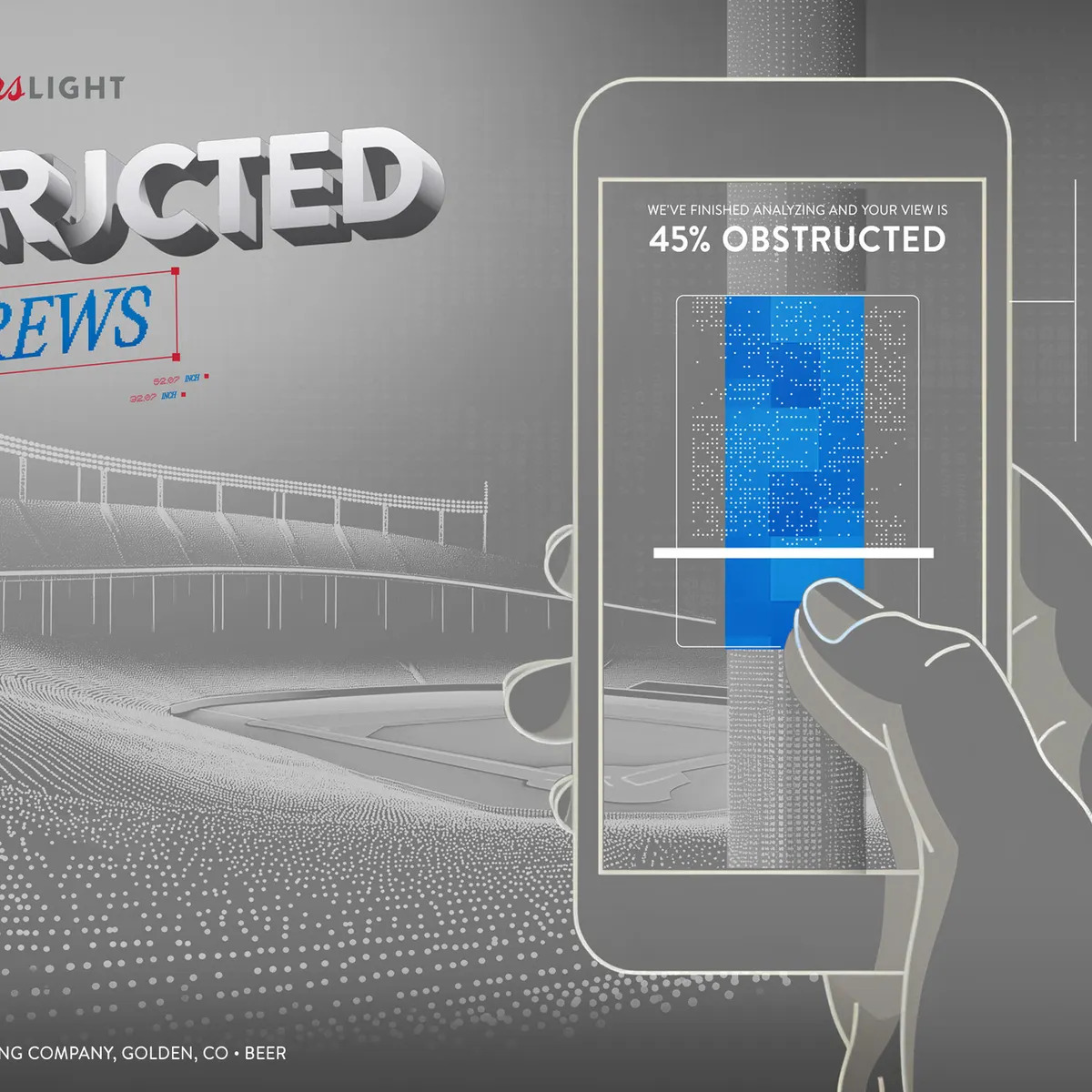
Mobile interactive layer extending a physical brand environment
Physical / DigitalOne dependency chain

The mobile interaction, physical footprint, data layer, audience moment, and live support have to behave as one system.

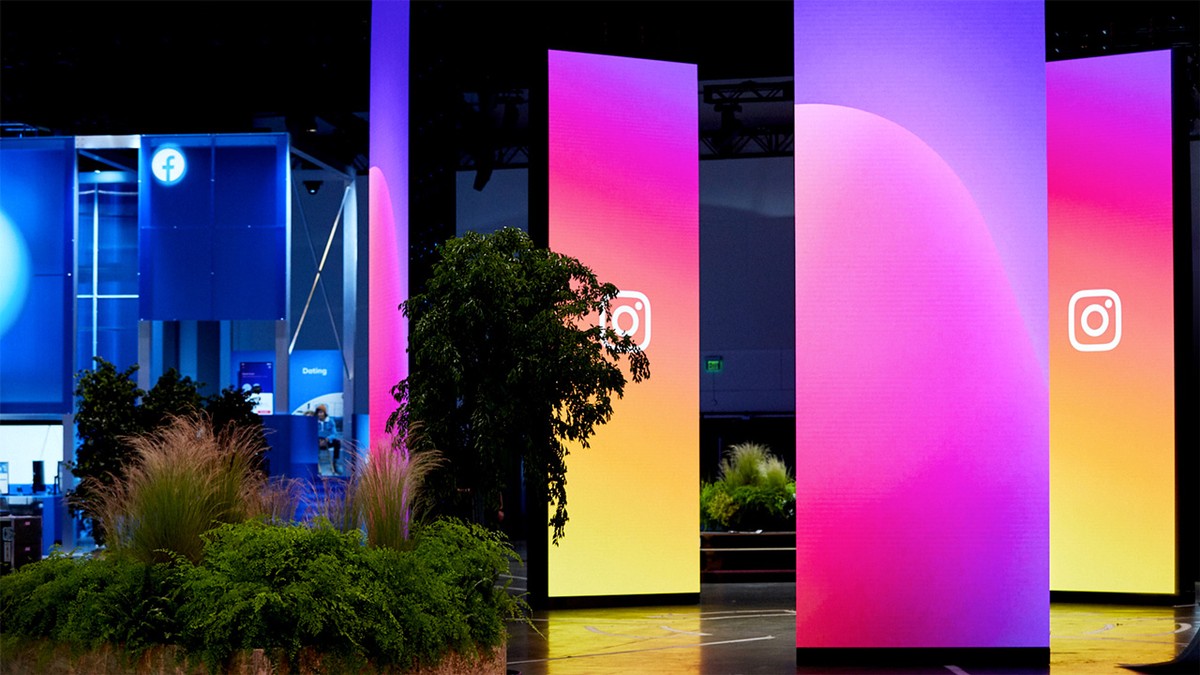
Large-format interactive event installation with illuminated screens and a planted environment
Interactive environmentTechnology in a real space

Audience flow, content, connectivity, and on-site reliability shape the experience.

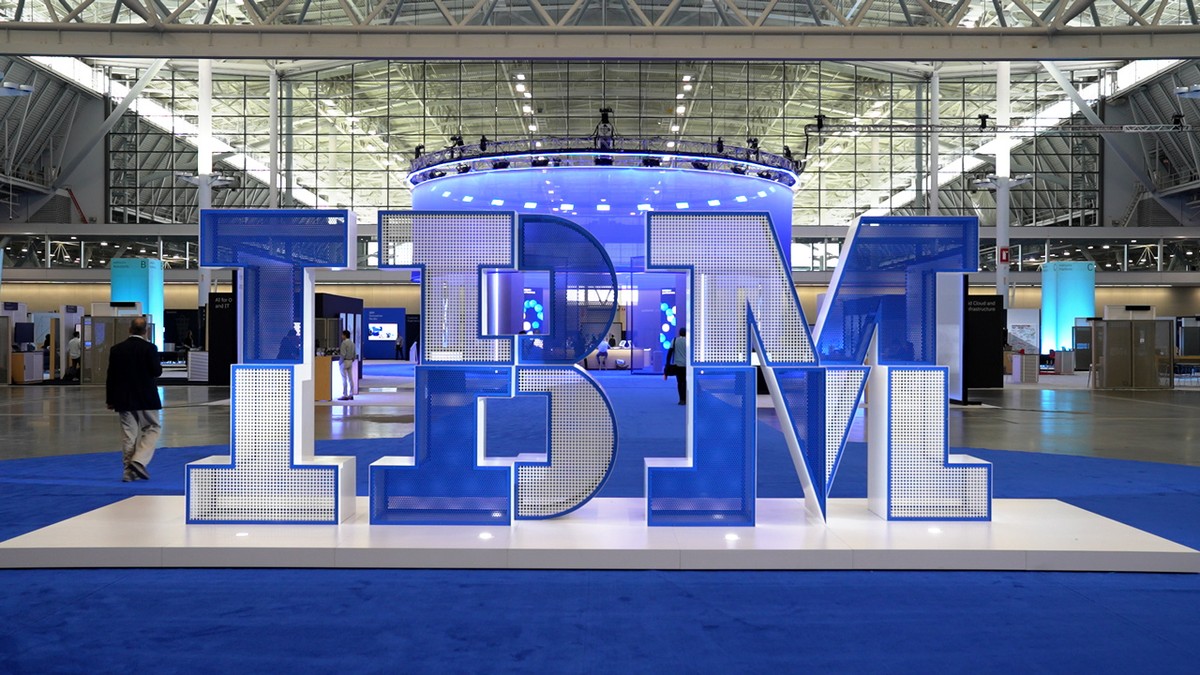
Fabricated conference environment with integrated screens and illuminated architectural letterforms
Conference buildMany disciplines, one room

Fabrication, screens, AV, staging, installation, and show operations have to arrive together.

Two agency operating modes

Choose support by where the agency needs ownership

Agency-led experience / Add an accountable lead

When the agency needs an experiential owner

The agency may own the client relationship, strategy, or creative direction while needing one outside team to shape and own the experience system.

  • Define the audience journey and participation idea with the agency.
  • Turn the idea into an activation and production model.
  • Connect creative, build, technology, staffing, and measurement.
  • Coordinate specialists without returning the integration burden to the agency.
  • Protect agency leadership when the work becomes physical and public.
Explore specialist support for agencies

Specialist execution / Extend the agency team

When the idea needs execution depth

An agency may already own strategy, creative, client context, approvals, and the relationship. The specialist should make that role stronger.

  • Add production, fabrication, field, retail, or technical capability.
  • Solve feasibility before creative intent becomes expensive to change.
  • Bring senior producers and operators into the agency team.
  • Keep costs, vendors, approvals, responsibilities, and handoffs visible.
  • Make the agency look sharper in front of the client.
Explore Production Partner Discovery

The Live Pressure Test

Look behind the experience reel

Past work can establish taste and possibility. These six questions test whether the actual team can carry the assignment responsibly.

01 / ResponsibilityWhat does the team own, and what remains with the agency, client, or another specialist?

The team should state exactly what it owns and what must remain with the agency, client, or another specialist.

02 / TeamWho will lead and make decisions when the live work is under pressure?

Senior access, continuity, relevant experience, live decision rights, and escalation roles should be named before hiring.

03 / FeasibilityHow will production judgment change the idea before commitment becomes expensive?

Dependencies affecting budget, schedule, footprint, safety, or technical reliability should be resolved early enough to change the plan.

04 / ModelHow will fees, pass-through costs, markups, subcontractors, approvals, and unknowns be governed?

Included work, outside costs, partner roles, approvals, and material unknowns should be visible and comparable.

05 / Live riskWhat happens when weather, staffing, safety, or technology changes the live plan?

The operating model should name contingencies, decision rights, escalation paths, and recovery responsibilities.

06 / Return and limitsWhat returns after the experience, and where are the partner's limits?

Assets, rights, data, measurement, equipment, learning, and no-fit conditions should be agreed. If earned media or press coverage is an objective, name the PR owner, approval path, release timing, capture responsibilities, and asset rights. The experience can create a press-worthy moment; no production or experiential partner can guarantee coverage.

How The Hidden Gems recommends

A better shortlist starts behind the reel

The Hidden Gems does not begin with the most visible experiential agency, the nearest event production company, or the team with the loudest case study.

We look at the assignment, audience, environment, budget, timing, actual team, operating model, dependencies, risk, working style, and role the partner needs to play.

The result is not a longer list of experiential companies. It is a sharper recommendation for the work in front of you.

Client-informed vettingWe listen to what clients say about teams they have actually worked with.
Founder and buyer-side intelligenceDirect relationships add context on strengths, people, process, costs, collaboration, and fit.
Assignment-specific judgmentCategory experience matters when it is relevant to the responsibility the partner will own.
A closed networkRecommendations cannot be bought, and partners do not enter through a public application path.

Common questions

Experiential partner FAQ

What is experiential partner discovery?

Experiential partner discovery defines the assignment, evaluates the operating requirements, and vets the right experiential agency, activation partner, event production company, fabrication team, retail activation partner, creative technology studio, field team, or specialist for the work.

Is The Hidden Gems an experiential agency?

No. The Hidden Gems is an agency and production matchmaker. It helps agencies clarify the need and recommends highly vetted experiential partners; it is not the agency or production vendor executing the work.

What does a brand activation agency do?

A brand activation agency creates programs that invite people to encounter, experience, try, participate in, or act on a brand idea. The work may include strategy, creative, pop-ups, sponsorships, retail moments, sampling, field programs, production, staffing, and measurement.

What is the difference between an experiential agency and an event production company?

An experiential agency may lead strategy, creative concept, experience design, and activation planning. An event production company often leads producers, schedules, venues, logistics, staging, AV, vendors, show operations, and delivery. Some teams span both; the important question is what the assignment requires them to own.

How do you choose an experiential partner?

Start with the audience moment, environment, footprint, creative responsibility, production complexity, technology, staffing, budget, timing, location, risk, and required handoffs. Then compare the actual team and operating model—not only the reel or category label.

Can agencies use The Hidden Gems for experiential partner recommendations?

Yes. Agencies use The Hidden Gems when they need experiential production, fabrication, creative technology, field, retail, event, or specialist execution support that complements the agency's role and respects client ownership.

What should we share before asking for a recommendation?

Share what the audience should experience, where the work will live, what is already decided, the budget range, timing, markets, footprint, current team, technical or production dependencies, and the biggest risk if the model is wrong.

Recommendation path

Need the right partner behind the live moment?

Bring the audience, environment, ambition, timing, budget, current team, and operating constraints. The Hidden Gems will help clarify the model and recommend the experiential partner built for the assignment.

Ask for a recommendation